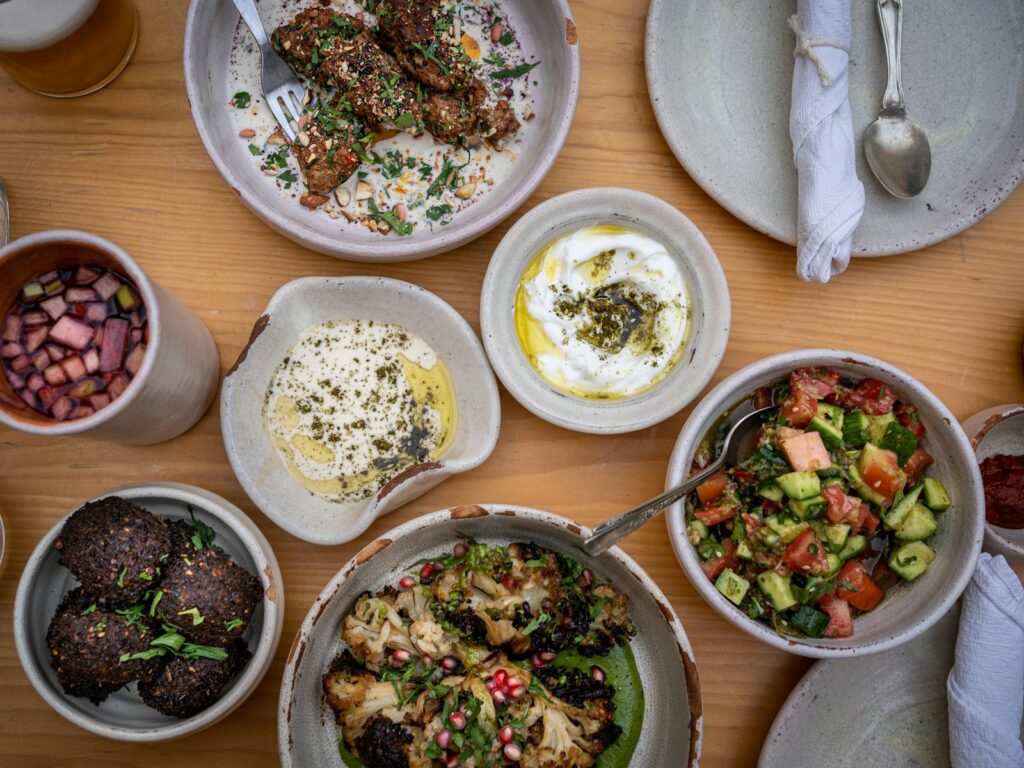
It has more high-quality research behind it than almost any other named diet — and it is also one of the most misunderstood. This is the complete, evidence-graded guide: what the studies actually show, where the claims get overstated, how to start without overhauling your life, and why “healthy” foods can still stall your weight loss.
What the Mediterranean Diet Actually Is
The Mediterranean diet is not a weight-loss program. It is a flexible eating pattern built around vegetables, fruit, legumes, whole grains, nuts, seeds, extra-virgin olive oil, herbs and spices, with regular fish and modest amounts of dairy, eggs and poultry. Red and processed meat, sweets, sugary drinks, refined grains and ultra-processed foods are limited rather than banned.
That distinction is the single most important thing to understand before you start. Keto gives you a carb number. Weight Watchers gives you points. Carnivore gives you a list. The Mediterranean diet gives you a direction. There is no threshold you cross to become compliant, which is simultaneously its greatest strength and the reason so many people follow it badly.
It also is not one regional cuisine. Traditional diets across North Africa, the Levant, Turkey, southern Europe and the Mediterranean islands differ considerably from each other. What researchers describe as “the Mediterranean diet” is a set of shared nutritional characteristics abstracted from many of them.
The pattern at a glance
- Vegetables
- Fruit
- Whole grains
- Legumes
- Olive oil
- Minimally processed food
- Fish and seafood
- Beans and lentils
- Nuts and seeds
- Herbs and spices
- Water
- Social meals & activity
- Poultry
- Eggs
- Yogurt and cheese
- Potatoes
- Homemade bread & pasta
- Wine (existing drinkers only)
- Processed meat
- Large red meat portions
- Refined grains
- Sweets and desserts
- Sugary drinks
- Ultra-processed food
The American Heart Association describes a Mediterranean-style pattern as rich in fruits, vegetables, grains, potatoes, beans, nuts and seeds, using olive oil as the primary fat, with smaller amounts of dairy, eggs, fish and poultry and less red meat.
A short history
Interest began after mid-twentieth-century population studies observed relatively low rates of coronary heart disease in some Mediterranean populations despite moderate-to-high total fat intake. That observation slowly shifted nutrition research away from isolating single nutrients and toward evaluating whole dietary patterns — a shift that still shapes the field today.
The pivotal work was the Seven Countries Study, led by American physiologist Ancel Keys beginning in the 1950s, which first connected Mediterranean-style eating to cardiovascular health. The pattern was later formalized by researchers including Antonia Trichopoulou and Walter Willett.
In 1993, Oldways, working with the Harvard School of Public Health and other advisers, introduced the Mediterranean Diet Pyramid to translate those traditional patterns into practical public guidance. That pyramid is the direct ancestor of nearly every Mediterranean diet graphic you have ever seen.
Nobody owns this dietThere is no governing body, no certification, no official membership and no trademark for the Mediterranean diet. That is precisely why definitions vary so widely — and why any manufacturer can print “Mediterranean” on a package without meeting any standard whatsoever.
What you do not have to do
The traditional Mediterranean diet requires none of the following:
- Calorie counting
- Macronutrient targets
- Ketone testing
- Eating windows or fasting
- Food-combination rules
- Points or trackers
- Eliminating carbohydrates
That said — and this is where people get caught — if your goal is weight loss, you may still need to monitor portions. A food can be fully Mediterranean-compatible and extremely calorie dense. One tablespoon of oil, a handful of nuts, some cheese, bread and a glass of wine can collectively add several hundred calories without creating much food volume or much fullness.
Research diet vs. real-world dietClinical trial versions of this diet include structured counseling, adherence scoring, specific targets for olive oil, nuts, fish, legumes, produce and meat, plus regular dietitian contact. The social-media version is often hummus, feta, olives, pita, pasta and olive oil. Those foods can fit — but a plate dominated by cheese, bread, restaurant hummus and oil is not the vegetable- and legume-rich pattern that produced the results in the studies.
Key Takeaways
- It is a direction, not a rule set — there is no compliance threshold to cross
- No food group is banned. Red meat and sweets are limited in frequency, not eliminated
- Nothing is tracked: no calories, macros, ketones, points, or eating windows
- But if weight loss is the goal, portions still matter. Oil, nuts, cheese, bread and wine are calorie-dense and easy to overeat
The Twelve Versions Nobody Distinguishes
“Mediterranean diet” is used to describe at least a dozen meaningfully different patterns. This matters enormously when you read a headline, because evidence from one version does not automatically transfer to every other version. The landmark PREDIMED trial studied a Mediterranean pattern supplemented with olive oil or nuts in older Spanish adults at high cardiovascular risk. It did not test an Americanized, vegan, low-carbohydrate or “green” adaptation.
Plant-forward, olive oil, legumes, whole grains, fish, modest meat. The culturally embedded original with strong historical grounding.
The pattern supplemented with extra-virgin olive oil or mixed nuts. This is the version with direct randomized cardiovascular trial evidence behind it.
Mediterranean eating specifically for people with established coronary heart disease. Seven years of randomized follow-up support it.
Identical foods, but with calorie control and measured fats. Flexible and sustainable, and the version most people actually want.
More plant foods and polyphenol-rich foods, less red meat. May further improve some metabolic markers.
More fish, Greek yogurt, poultry, eggs, legumes and protein-rich grains. Better satiety and muscle preservation.
Legumes, tofu, dairy, eggs, nuts and whole grains. Very high fiber and highly adaptable.
Entirely plant-based. Produces the highest plant-food intake of any version.
More nonstarchy vegetables, fish, nuts and oil; fewer grains. May help glucose control for some people.
Mediterranean foods with stricter sodium targets. Useful for hypertension management.
A Mediterranean-DASH hybrid emphasizing berries and leafy greens, designed around cognitive health outcomes.
Canned beans, canned fish, frozen produce, precooked grains. Convenient, inexpensive, and genuinely sustainable for busy households.
Diets frequently confused with Mediterranean
Several patterns overlap heavily but are not the same thing. Knowing the difference prevents you from applying evidence from one diet to another.
| Pattern | How It Overlaps | The Key Difference |
|---|---|---|
| DASH | Fruits, vegetables, whole grains, low processed food | Explicitly limits sodium; no wine component |
| MIND | A direct Mediterranean-DASH hybrid | Specifically emphasizes berries and leafy greens for cognitive outcomes |
| Nordic | Fish, whole grains, root vegetables, plant-forward | Uses rapeseed / canola oil rather than olive oil |
| Blue Zones | Plant-forward, moderate meat, olive oil in some regions | Includes soy and other foods uncommon in Mediterranean cuisine |
| Paleo | Whole foods, minimal processing | Excludes all grains, legumes and dairy — all Mediterranean staples |
| Low-carb / Keto | Emphasis on unsaturated fats | Mediterranean is not low-carb and does not induce ketosis |
The most common category errorMediterranean eating is not a low-carb diet and does not produce ketosis. Carbohydrate restriction is not one of its mechanisms — the choice between whole and refined carbs is. Anyone explaining Mediterranean benefits through carb limitation is describing a different diet.
How It Works Mechanistically
The Mediterranean diet does not have one dramatic metabolic switch like ketosis. Its effects come from several modest mechanisms stacking on top of each other.
Well-supported mechanisms
Lower energy density
Vegetables, fruit, beans and many whole grains carry water and fiber, which means you get a physically larger portion for fewer calories than you would from ultra-processed alternatives. You eat more food and consume less energy.
Greater satiety
Fiber, protein and unsaturated fat slow digestion and improve meal satisfaction. Beans, lentils, fish, yogurt and intact grains are meaningfully more filling than sugary drinks, pastries and refined snacks.
Replacement rather than addition
This is the mechanism most people miss. A significant share of the benefit does not come from olive oil, beans or fish being magical. It comes from those foods displacing butter, processed meat, refined snacks and sugary foods. The benefit is in the swap, not the ingredient.
Better fat quality
Olive oil, nuts, seeds and fish deliver predominantly unsaturated fats. The cardiovascular benefit is most plausible specifically when these replace saturated-fat-rich or highly refined foods.
Reduced ultra-processed food intake
Traditional Mediterranean eating naturally cuts exposure to the highly palatable combinations of refined starch, added sugar, salt and fat that drive passive overeating.
Improved glucose regulation
Fiber-rich carbohydrates digest more slowly than refined grains or sugary drinks. Layer weight reduction, more activity and improved fat quality on top, and insulin sensitivity tends to improve. A 2024 meta-analysis reported modest improvements in HbA1c, fasting glucose, blood pressure, BMI and waist circumference versus control diets.
Plausible but not fully established
These mechanisms are biologically credible and frequently cited, but mechanistic improvement is not the same as proven disease prevention:
- Changes in gut-microbiome composition
- Increased short-chain fatty acid production from fermentable fiber
- Anti-inflammatory effects of polyphenols
- Improved endothelial function
- Reduced oxidative stress
- Changes in bile-acid metabolism
- Improved post-meal lipemia
- Better vascular nitric-oxide availability
Is it uniquely effective?Some benefit may come from distinctly Mediterranean features — extra-virgin olive oil, nuts, legumes, frequent fish. But many of the same benefits appear in other high-quality patterns emphasizing plants, fiber, unsaturated fat and minimally processed food. DASH, well-planned vegetarian diets and traditional Asian dietary patterns may produce similar results. This is not the only healthy option, and anyone telling you it is has stopped reading the literature.
What the Major Trials Actually Found
Most diets are supported by observational studies and testimonials. The Mediterranean diet is unusual in having large randomized controlled trials with hard cardiovascular endpoints. That is why it consistently ranks at the top of expert diet rankings — and it is also why the caveats matter.
PREDIMED
PREDIMED randomized 7,447 Spanish adults aged 55–80 who were at high cardiovascular risk but had not yet had a cardiovascular event. Participants followed one of three assignments: a Mediterranean diet plus extra-virgin olive oil, a Mediterranean diet plus mixed nuts, or a reduced-fat control diet.
After a median follow-up of roughly 4.8 years, both Mediterranean groups experienced fewer major cardiovascular events.
The limitation nobody mentionsThe original PREDIMED publication was withdrawn and republished after irregularities in randomization procedures were identified at some study sites. Reanalysis excluding or adjusting for affected participants did not materially overturn the primary conclusion — but the episode is a legitimate part of how certain you should be about the finding, and it is routinely omitted from summaries.
CORDIOPREV
CORDIOPREV randomized 1,002 adults with established coronary heart disease to either a Mediterranean or a low-fat diet, then followed them for approximately seven years. The Mediterranean diet was superior for preventing recurrent major cardiovascular events.
This trial matters more than its size suggests. It provides long-term randomized evidence in secondary prevention — people who already have heart disease — rather than relying on observational association. That is a much stronger form of evidence than most dietary claims can call on.
Lyon Diet Heart Study
An earlier and smaller secondary-prevention trial, the Lyon study tested a Mediterranean-style pattern in heart attack survivors and reported substantial reductions in recurrent cardiac events. It is frequently cited alongside PREDIMED and CORDIOPREV as part of the randomized evidence base, though it predates them and used a modified pattern that included a canola-oil-based margarine rather than olive oil alone.
Observational cohort evidence
Beyond the randomized trials, large long-running cohorts point the same direction. In the Nurses’ Health Study, women with the highest Mediterranean adherence showed roughly 25% lower coronary heart disease risk over 12 years of follow-up. Long-term adherence has also been associated with markers of slower biological aging, including longer telomeres, and with substantially higher odds of “healthy aging” — reaching age 70 free of major chronic disease.
Why cohort data ranks below trial dataPeople who choose Mediterranean eating also tend to exercise more, smoke less and have higher incomes. Good studies adjust for these, but residual confounding always remains. This is called healthy-user bias, and it is why the randomized trials carry more weight even when the cohort numbers look more impressive.
Weight and metabolic outcomes
Here the picture is more modest and more honest. The Mediterranean diet generally produces weight loss when it helps people reduce calorie intake — and it is not consistently superior to other calorie-controlled approaches. The 2024 meta-analysis found real improvements in BMI and waist circumference, but the average effects were modest. Pairing the pattern with exercise and a deliberate energy deficit is far more likely to produce meaningful fat loss than the pattern alone.
Type 2 diabetes
The evidence supports Mediterranean-style eating for both preventing and managing type 2 diabetes. The 2026 American Diabetes Association Standards recognize Mediterranean-style patterns among evidence-based options for people with prediabetes or diabetes. An updated 2025 systematic review found moderate-certainty evidence that greater adherence was associated with lower type 2 diabetes risk.
Mental health
The 2017 SMILES trial enrolled 67 adults with moderate-to-severe depression, comparing 12 weeks of dietary support against a social-support control. Depression symptoms improved more in the dietary group.
It is a genuinely promising randomized trial. It was also small, short, impossible to blind fully, and included intensive dietitian contact that the control group did not receive. It supports diet as a possible adjunct — not a replacement for psychiatric care, medication or psychotherapy.
Key Takeaways
- Cardiovascular evidence is the real strength here — two large randomized trials with hard endpoints, which almost no other named diet has
- The famous “30% reduction” is a relative figure. The absolute difference was roughly 3 fewer events per 1,000 person-years
- PREDIMED was retracted and republished after randomization irregularities. The conclusion held, but the episode belongs in any honest summary
- Weight-loss evidence is modest, not dramatic — and it depends entirely on whether the pattern creates a deficit for you
Evidence Ratings for Every Claim
Here is every commonly made claim about the Mediterranean diet, graded by how much evidence actually stands behind it. Only two claims reach “Strong.” 6 are outright unsupported.
Evidence
Evidence
Uncertain
Claims
Strong
Strong
Moderate
Moderate
Moderate
Moderate
Moderate
Moderate
Moderate
Moderate
Moderate
Limited–Mod
Limited–Mod
Limited
Limited
Uncertain
Very Limited
Very Limited
Very Limited
Very Limited
Very Limited
Unsupported
Unsupported
Unsupported
Moderate
Moderate
Unsupported
Unsupported
Unsupported
Who This Pattern Suits Best
The Mediterranean diet tends to work well for people who want:
- A sustainable heart-healthy diet rather than a short-term fix
- Moderate, gradual weight loss without rigid rules
- Better glucose control alongside medical care
- More vegetables and fiber without going fully vegetarian
- Less red or processed meat, without eliminating it entirely
- An alternative to rigid low-carbohydrate diets
- Flexible family meals that don’t require cooking separately
- A pattern that survives restaurant eating and travel
- Something compatible with endurance or strength training
It also adapts cleanly to dairy-free, gluten-free, vegetarian and lower-carbohydrate eating without breaking the underlying pattern.
Who Needs Supervision or Modification
“Healthy for most people” is not “safe for everyone without discussion.” These situations genuinely require clinical input.
Diabetes and glucose-lowering medication
A Mediterranean diet contains carbohydrates from fruit, beans, whole grains and dairy. Carbohydrate amount and timing still matter if you use insulin or medications that can cause hypoglycemia. Do not independently reduce insulin or other medication just because you changed your diet. Glucose may well improve — but medication adjustment should be clinician-directed.
Kidney disease
Beans, tomatoes, potatoes, fruit, nuts, dairy and whole grains can deliver substantial potassium and phosphorus. These foods are healthy for most people but may require modification in advanced kidney disease. NIDDK advises individualized potassium, phosphorus, sodium and protein targets based on kidney function and lab results.
Warfarin
Leafy greens do not need to be eliminated. The actual issue is keeping vitamin K intake reasonably consistent and coordinating monitoring with the prescribing clinician.
Grapefruit-sensitive medication
Grapefruit can alter blood concentrations of some statins, blood-pressure medications and other drugs. The FDA advises checking the medication guide or consulting a pharmacist.
Eating-disorder history
Rules like “never eat red meat,” “no refined food” or “perfect Mediterranean eating” can intensify restriction, guilt or binge-restrict cycles. A flexible approach under an eating-disorder-informed professional is safer.
Pregnancy and breastfeeding
The general pattern is appropriate, but energy, protein, iron, iodine, choline, calcium and omega-3 needs all increase. Avoid alcohol, high-mercury fish and unpasteurized products. Prenatal supplementation should follow obstetric guidance.
Children and adolescents
A balanced Mediterranean-style pattern is healthy for kids, but it should not be imposed as a calorie-restricted weight-loss diet without pediatric oversight. Children need sufficient calories, protein, calcium, iron and dietary fat for growth.
Older adults
Cardiovascular benefit is real, but muscle mass needs active protection. Every meal should contain a meaningful protein source, and resistance training should be encouraged when medically appropriate.
Gastrointestinal disease
Large sudden increases in beans, bran, raw vegetables, garlic and onions can worsen bloating, diarrhea or abdominal pain. People with inflammatory bowel disease, gastroparesis, active diverticulitis or significant malabsorption need individualized modifications.
Celiac disease and gluten sensitivity
Mediterranean eating leans heavily on wheat, barley and bulgur. All are off-limits with celiac disease. The pattern adapts cleanly using rice, quinoa, corn, buckwheat and certified gluten-free oats — but the substitution has to be deliberate, and standard Mediterranean meal plans will not work as written.
Food allergies
The pattern relies on several of the most common allergens: tree nuts, fish, shellfish, dairy and wheat. Each is substitutable — seeds and seed butters for nuts, legumes and poultry for fish, fortified plant milks and yogurts for dairy — but a person with multiple allergies should plan the swaps in advance rather than improvising, or nutrient gaps open up quickly.
Gout and kidney stones
Mediterranean eating is far lower risk for gout than a high-red-meat or organ-meat pattern, but sardines, anchovies and legumes still contribute purines, and spinach and nuts contribute oxalates. If you have a history of gout or calcium-oxalate stones, maintain high fluid intake and moderate the highest-risk items rather than eliminating whole categories.
Gallbladder or pancreatic disease
Mediterranean eating is not inherently high-fat, but liberal olive oil, nuts and cheese may provoke symptoms during active gallbladder or pancreatic disease.
How to Start: Three Routes In
Before you start — record your baseline
This is the step people skip and later regret, because without a baseline you cannot tell whether anything actually changed.
Baseline Record
Kitchen preparation
Keep on hand: olive oil, beans and lentils, oats and whole grains, canned fish, frozen vegetables and fruit, unsalted nuts, herbs and spices, plain yogurt, eggs, whole-grain bread, tomato products, garlic, onions and lemons.
Reduce routine access to: sugary drinks, processed meat, candy and pastries, highly refined snacks, frequent frozen pizza, heavy cream sauces, excess butter, and large quantities of alcohol.
You do not need to throw out every non-Mediterranean food in your house. Doing that creates unnecessary expense and feeds all-or-nothing thinking, which is the single most reliable predictor of quitting.
Pick your route
Week 1: Replace sugary drinks; add one vegetable at lunch and dinner.
Week 2: Replace two red-meat meals with beans or fish.
Week 3: Swap butter for olive oil where practical.
Week 4: Change half your refined grains to whole grains.
Prepare seven days of meals in advance, remove major trigger foods, buy the staple ingredients, and begin the full pattern at once. Clean, decisive, and effective if you actually like meal planning.
Ignore recipes entirely. Use one plate formula every meal: half nonstarchy vegetables, one quarter protein, one quarter whole grain or potato, a measured amount of olive oil / nuts / seeds / avocado, and fruit for dessert.
Maintenance: eat until comfortably satisfied.
Weight loss: at least half the plate nonstarchy vegetables, palm-sized protein, one cupped hand of cooked grain / beans / potato, measured energy-dense fats, eat slowly, pause before seconds.
Should you count calories?
Not everyone needs to. Counting becomes useful when:
- Weight is not changing despite high adherence
- Oil, nuts, cheese or bread are being consumed freely
- Portions are genuinely difficult to judge by eye
- You have a specific athletic or body-composition goal
People with restrictive eating-disorder patterns often do worse with calorie tracking. If that describes you, skip it and work with a professional.
Should you add fasting?
Fasting is not required and not part of the traditional pattern. It may help some people reduce total eating opportunities, but it can worsen medication-related hypoglycemia, trigger overeating, and aggravate migraines, reflux or disordered eating. See our intermittent fasting guide if you want to evaluate it separately.
The 30-Day Beginner Program
Four phases, each with a goal, something to monitor, and the mistake most people make during that window.
Do not try to cook elaborate Mediterranean recipes every night. That is the classic week-one mistake and it burns people out before the pattern ever takes hold.
This is the swap phase. You are not adding rules, you are trading one food for a better one in the same slot.
By now the food is familiar. This is where you tune it to your actual goals rather than following a generic template.
The real test is not whether you can eat this way in your own kitchen. It is whether the pattern survives a restaurant, a busy week and a social event.
The Complete Food Guide
Best staple foods
Extra-virgin olive oil, canned tomatoes, chickpeas, lentils, black/white/kidney beans, oats, brown rice, barley, bulgur, quinoa, whole-wheat pasta, potatoes, whole-grain bread, frozen vegetables, frozen berries, garlic, onions, lemons, dried herbs and spices.
Best protein sources
Salmon, sardines, trout, tuna, mackerel, shrimp, mussels, beans, lentils, chickpeas, tofu and tempeh, eggs, plain Greek yogurt, cottage cheese, chicken or turkey, and lean red meat occasionally.
Best fat sources
Extra-virgin olive oil, walnuts, almonds, pistachios, seeds, avocado, olives, fatty fish.
Best carbohydrate sources
Beans and lentils, oats, barley, bulgur, quinoa, brown rice, farro, whole-grain bread, whole-wheat pasta, potatoes and sweet potatoes, fruit.
The cheapest version is not the worst versionDried beans, lentils, oats, eggs, canned sardines, canned tuna, potatoes, carrots, cabbage, frozen spinach, bananas, seasonal fruit, store-brand olive oil, brown rice and peanut butter will get you the overwhelming majority of the benefit. Imported specialty products are a preference, not a requirement, and there is no evidence they outperform the budget version.
Convenience foods that still fit
No-salt-added canned beans, frozen vegetables, frozen brown rice, canned fish, rotisserie chicken, plain hummus, prewashed salad, microwave lentil pouches, plain Greek yogurt, low-sodium soup, whole-grain wraps. If cooking most nights isn’t realistic, a Mediterranean-friendly prepared meal service can fill the gap without falling back on fast food — see our picks for prepared meals.
Eating out: what to order
Restaurants are where most people abandon the pattern, usually because they never decided in advance what a compliant order looks like. These translate across almost any menu:
- Grilled fish of the day
- Greek salad + grilled chicken
- Hummus platter with vegetables
- Lentil or minestrone soup
- Chicken souvlaki with tzatziki
- Pasta pomodoro or arrabbiata
- Baked eggplant dishes
- Salmon or vegetable sushi
- Dressing on the side
- Grilled instead of fried
- Olive oil and lemon
- Double vegetables, half starch
- Whole-grain bread if offered
- Water instead of soda
- Fried appetizers
- Cream-based sauces
- Fried shells and tempura
- Processed meat toppings
- Sugary cocktails
- Bottomless bread basket
- Nuts and seeds
- Tuna or salmon packets
- Whole-grain crackers
- Nut butter packets
- Shelf-stable hummus
- Instant oatmeal
- Apples and bananas
- Dark chocolate
Foods that look compliant but often are not
| Food | The Problem | Better Choice |
|---|---|---|
| Flavored yogurt | Fruit-on-the-bottom varieties are often heavily sweetened | Plain yogurt with fresh fruit added |
| “Whole grain” crackers & breads | Frequently contain added sugar and refined flour despite the label | Check that a whole grain is the first ingredient |
| Granola & granola bars | Among the most sugar-dense foods in the health aisle | Plain oats, or nuts and fruit |
| Low-fat dressings | Fat is often replaced with sugar or starch | Olive oil and vinegar or lemon |
| Fruit juice | Sugar without the fiber that makes fruit filling | Whole fruit and water |
| Dried fruit | Very concentrated sugar; easy to eat large amounts | Small measured portions, or fresh fruit |
| Vegetable oil blends | Often soybean, corn or sunflower rather than olive | Extra-virgin olive oil |
The foods that quietly stall weight loss
These are all legitimately Mediterranean. They are also the reason people plateau:
- Olive oil
- Nuts and nut butter
- Cheese
- Olives
- Hummus
- Avocado
- Bread
- Pasta
- Granola
- Dried fruit
- Wine
None of these are “bad.” Their calorie density simply matters when the goal is fat loss. Measure them for the first few weeks and you will learn portions permanently.
Label terms to watch
Scan for added sugar or syrups near the top of the ingredient list, hydrogenated oils, high saturated-fat content, excess sodium, refined flour as the first ingredient, processed meat ingredients, and long ingredient lists dominated by sweeteners, starches and flavor additives.
Marketing terms, not nutrition claims“Mediterranean,” “made with olive oil,” “multigrain” and “plant-based” are marketing language. None of them guarantee nutritional quality. A cookie made with olive oil is still a cookie.
Meal Ideas & A Sample Week
Ten breakfasts
- Greek yogurt, berries, walnuts and oats
- Oatmeal with apple, cinnamon and almonds
- Whole-grain toast with avocado and egg
- Vegetable omelet with fruit
- Overnight oats with chia and berries
- Chickpea scramble with spinach
- Cottage cheese, cucumber, tomato and herbs
- Shakshuka with whole-grain bread
- Smoked salmon, tomato and whole-grain toast
- Sardines on toast with tomato
For mornings when none of the above are realistic, a Greek-yogurt-and-fruit smoothie or a quality meal-replacement shake keeps you close to the pattern — see our meal replacement shake picks.
Ten lunches
- Chickpea Greek salad
- Lentil soup and whole-grain toast
- Tuna, white bean and tomato salad
- Hummus vegetable wrap
- Chicken quinoa bowl
- Sardine and potato salad
- Minestrone soup
- Mediterranean pasta salad
- Lentil tabbouleh
- Farro salad with roasted vegetables
Ten dinners
- Baked salmon, potatoes and broccoli
- Lentil tomato stew
- Chicken souvlaki with salad and brown rice
- Whole-wheat pasta with vegetables and white beans
- Sheet-pan chicken, peppers and onions
- Chickpea curry with brown rice
- Baked cod with tomatoes and olives
- Eggplant, chickpea and tomato bake
- Turkey meatballs and whole-wheat pasta
- Vegetable and bean paella
Snacks
Fruit and nuts, vegetables and hummus, plain yogurt, roasted chickpeas, apple and peanut butter, whole-grain crackers and tuna, cottage cheese and berries, boiled egg, olives with vegetables, air-popped popcorn, edamame, trail mix in a measured portion.
A sample week
| Day | Breakfast | Lunch | Dinner | Snack |
|---|---|---|---|---|
| 1 | Yogurt, berries, walnuts | Chickpea salad | Salmon, potato, broccoli | Apple |
| 2 | Oatmeal, banana, almonds | Lentil soup | Chicken quinoa bowl | Hummus and carrots |
| 3 | Eggs, spinach, toast | Tuna-white bean salad | Pasta primavera | Yogurt |
| 4 | Overnight oats | Hummus vegetable wrap | Lentil tomato stew | Fruit and nuts |
| 5 | Avocado egg toast | Leftover stew | Baked cod, rice, vegetables | Popcorn |
| 6 | Yogurt and fruit | Sardine potato salad | Chicken kebabs and salad | Cottage cheese |
| 7 | Shakshuka | Leftovers | Bean and vegetable paella | Berries |
How to modify the week
| Goal | Modification |
|---|---|
| Weight loss | Measure oil, nuts, cheese and starches; emphasize vegetables and lean protein |
| Maintenance | Add a larger grain portion, more olive oil, or an additional snack |
| Muscle gain | Add Greek yogurt, eggs, fish, poultry, legumes or protein powder; increase total calories |
| High activity | Add oats, potatoes, rice, fruit and whole-grain bread around training |
| Dairy-free | Fortified soy yogurt or milk; calcium from tofu, canned salmon with bones, fortified foods |
| Egg-free | Replace eggs with tofu, beans, yogurt, fish or poultry |
| Minimal cooking | Canned beans, canned fish, frozen vegetables, rotisserie chicken, microwave grains, prepared salad |
The 30-day framework (without 90 different recipes)
A month of meals does not require ninety unique dishes. Repetition lowers cost and food waste, and it is what real Mediterranean households actually do. Use a weekly template and rotate within it:
| Day | Anchor | Rotate Between |
|---|---|---|
| Monday | Fish | Salmon, sardines, tuna, trout, cod |
| Tuesday | Legume meal | Lentils, chickpeas, black beans, white beans |
| Wednesday | Poultry | Chicken thighs, breast, turkey |
| Thursday | Whole-grain pasta + vegetables | Barley, farro, whole-wheat pasta |
| Friday | Fish or seafood | Shrimp, mussels, white fish |
| Saturday | Flexible family meal | Whatever the household wants |
| Sunday | Soup, stew or batch meal | Minestrone, lentil stew, bean soup |
Rotate flavor profiles too — Greek, Italian, Spanish, Moroccan, Turkish and Levantine dishes all draw from the same staples but taste completely different. Food boredom is one of the top three reasons people quit, and it is entirely preventable.
On aggressive fat lossDo not use starvation-level calories. A moderate deficit combined with high protein and resistance training protects muscle far better than simply minimizing food. Rapid loss driven by severe restriction costs you lean mass you will want back later.
Cost & Shopping Strategy
Prices vary sharply by location, store, season and brand. The spread between a budget Mediterranean pattern and a premium one is enormous — and the premium version is not proven healthier.
One-week budget list
Oats, brown rice, whole-grain bread, potatoes, two cans tuna, two cans sardines, one dozen eggs, two pounds dry lentils or beans, plain yogurt, frozen spinach, frozen mixed vegetables, cabbage, carrots, onions, bananas, apples, canned tomatoes, olive oil, peanut butter, garlic and dried herbs.
Two-week standard list — add
Chicken, frozen salmon or other fish, chickpeas, quinoa or barley, whole-wheat pasta, hummus, cucumbers, tomatoes, salad greens, berries, nuts, feta or Parmesan, lemons.
Warehouse-store buys that make sense
Olive oil, oats, rice, frozen vegetables, frozen berries, nuts (divided and frozen), canned fish, plain Greek yogurt, chicken, frozen fish. Avoid bulk perishable produce unless your household will genuinely use it.
Cost-saving principles
- Compare cost per serving, not package price
- Use canned salmon, sardines or tuna instead of fresh fish every time
- Make legumes the main protein several times weekly
- Buy store brands — olive oil especially
- Freeze bread and cooked grains
- Batch one soup, one grain and one protein weekly (good meal prep containers make this far less tedious)
- Use seasonal and frozen vegetables
- Ignore the assumption that imported “Mediterranean” products are necessary
Supplements: Mostly Unnecessary
The Mediterranean diet does not require a branded supplement stack. Food-first intake is generally preferable, and NIH guidance emphasizes meeting nutritional needs primarily through food while recognizing that fortified foods and supplements can help in specific circumstances.
Supplements should address one of three things: a demonstrated deficiency, a life-stage requirement, or a predictable dietary gap created by how you have adapted the pattern. Everything else is marketing.
Essential if Vegan
Test First
Food First
Test First
Situational
Optional
Rarely Needed
Supplements interact with medicationThe FDA specifically warns that supplements and medications can interact in clinically meaningful ways, and that “natural” does not mean harmless. Tell your prescriber and pharmacist everything you take, including things you consider trivial.
Shop This Diet
You do not need any of this to follow the Mediterranean pattern — the food guide above covers everything essential. These are the categories our readers ask about most, each with its own full comparison guide. (Affiliate links — see disclosure above.)
Protein Powder
For higher-protein Mediterranean meals when whole food alone isn’t hitting your target.
See our top picks
Meal Replacement Shakes
For mornings when a full breakfast isn’t happening but skipping food isn’t the answer either.
Compare options
Prepared Meal Delivery
For weeks when cooking isn’t realistic — without falling back on fast food or takeout.
See our picks
Creatine
For anyone adding resistance training on top of the diet — the one supplement with real performance evidence.
Best for beginners
Meal Prep Containers
Batch-cooking soups, grains and proteins is the single best habit for staying on this diet cheaply.
Compare sets
Smart Scales
For seeing the trend behind the number — useful if weight is one of your goals here.
See comparison
What the Community Actually Reports
Everything in this section is anecdotal and subject to selection bias. People who succeed post more than people who quietly stop. Treat it as pattern recognition, not evidence.
Recurring positive experiences
Reported Benefit
People consistently report that within a month they were cooking more, relying less on fast food, and finding it easier than expected. The skill transfer is the underrated benefit.
Reported Benefit
Early hunger complaints usually resolve once people deliberately add protein and fiber rather than eating vegetable-heavy plates with minimal protein. This is the single most common fix.
Reported Benefit
Many report lasting far longer on this pattern than on rigid low-carbohydrate diets, largely because nothing is forbidden and social eating stays possible.
Reported Benefit
People who initially disliked fish, beans and vegetables frequently report genuinely enjoying them after an adjustment period of a few weeks.
On dramatic weight-loss storiesIndividual reports of large weight loss exist, but they cannot establish that the diet caused the result. Exercise, calorie reduction, medication, starting weight and other behavioral changes almost always happen simultaneously. Testimonials describe experiences; they do not establish causation.
Recurring problems
Common Problem
Because it is a pattern rather than a rule set, beginners spend enormous energy asking whether individual foods “count.” Fix: treat it as a direction, not a purity test.
Common Problem
Olive oil, nuts, cheese and bread stall weight loss more often than anything else. Fix: measure energy-dense foods for the first few weeks.
Common Problem
Going from almost no beans to daily beans reliably causes gas and bloating. Fix: increase gradually, rinse canned beans, start with smaller portions.
Common Problem
The most damaging pattern reported: eating bread or a packaged snack, deciding you “failed,” and abandoning the whole thing. Fix: rigidity is the actual enemy of adherence here.
The practical advice that repeats most
- Start by changing breakfast or lunch — not every meal at once
- Keep canned beans and canned fish permanently stocked
- Use frozen vegetables without guilt
- Measure oil during weight loss
- Eat enough protein
- Repeat simple meals rather than chasing variety
- Use herbs, garlic, lemon and spices to replace some salt
- Adapt existing family meals instead of imposing unfamiliar cuisine
- Treat the pattern as a direction, not a purity test
What the community argues about
Ongoing disagreements include whether dairy should be low-fat or full-fat, how much poultry is appropriate, whether wine belongs at all, whether pasta and bread should be minimized, whether olive oil can be added freely, what adherence percentage counts as “Mediterranean,” and whether non-Mediterranean cuisines can fit. These disputes exist largely because the diet is a pattern rather than a single official menu — there is no authority to settle them.
Risks & Side Effects
Common short-term problems
| Symptom | Usual Cause | Safer Response |
|---|---|---|
| Bloating and gas | Suddenly increasing beans, lentils, bran, garlic, onions and vegetables | Increase fiber gradually, rinse canned beans, smaller portions, adequate fluid |
| Diarrhea | Excessive oil, large legume portions, sugar alcohols, magnesium supplements, or an underlying GI condition | Reduce the trigger load and reintroduce gradually |
| Constipation | Reduced food volume, low fluid, too little fiber, or overemphasis on cheese and meat | Increase fluid and fiber gradually; add activity |
| Hunger | Inadequate protein, tiny meals, or removing familiar foods without satisfying replacements | Add protein and volume at every meal |
| Weight gain | Unrestricted calorie-dense foods: oil, nuts, cheese, bread, hummus, avocado, alcohol | Measure the energy-dense foods |
Longer-term concerns
Protein inadequacy — not inherent to the diet, but possible in poorly planned vegetarian versions and among older adults and athletes.
Iron or B12 deficiency — possible in vegan or very-low-meat adaptations.
Calcium and iodine gaps — possible when dairy, seafood, iodized salt and fortified foods are all simultaneously restricted.
Medication interactions — dietary changes alter blood pressure and glucose and may require monitoring. Grapefruit interacts with certain medications. High-potassium foods can be dangerous in advanced kidney disease.
On wineWine is optional, not required. People who do not drink should not start for supposed health benefits. Alcohol increases the risk of several cancers, and even low intake is not risk-free. The “Mediterranean diet includes wine” framing has done more marketing work than health work.
Red flags requiring prompt medical attention
Chest pain, fainting, persistent palpitations, severe weakness, confusion, repeated low blood glucose, blood glucose remaining dangerously high, black or bloody stool, persistent vomiting, severe abdominal pain, jaundice, facial swelling or breathing difficulty, signs of dehydration, sudden neurological symptoms, severe flank pain or blood in urine.
Troubleshooting Table
| Problem | Likely Causes | First Steps |
|---|---|---|
| No weight loss | Too much oil, nuts, cheese, bread or alcohol | Measure calorie-dense foods; review portions |
| Constant hunger | Low protein, low meal volume, overly aggressive deficit | Add protein, vegetables and intact starch |
| Cravings | Excess restriction, skipped meals, poor sleep | Regular balanced meals; allow planned flexibility |
| Low energy | Too few calories or carbs, anemia, poor sleep | Review intake and health factors |
| Poor gym performance | Insufficient carbohydrate, protein or total calories | Add grains, fruit or potatoes around training |
| Headache | Reduced caffeine, dehydration, missed meals | Restore fluids and regular meals |
| Dizziness | Low blood pressure, medication effect, dehydration | Check pressure; contact clinician if persistent |
| Bloating | Rapid increase in fermentable foods | Smaller servings, rinse beans, choose tolerated produce |
| Reflux | Large fatty meals, alcohol, late eating | Smaller meals; reduce triggers; avoid lying down after eating |
| High LDL | Excess cheese, butter, fatty meat, genetics | Reduce saturated fat; increase soluble fiber; test ApoB when indicated |
| High blood sugar | Grain, bread or fruit portions too large; medication issue | Review carbohydrate distribution and clinical treatment |
| Low blood sugar | Medication and carbohydrate mismatch | Follow your hypoglycemia plan and contact your clinician |
| Food boredom | Too narrow a cuisine interpretation | Use North African, Spanish, Italian, Turkish and Levantine dishes |
| High cost | Too much fresh fish and specialty food | Use legumes, eggs, canned fish and frozen produce |
| Family resistance | Abruptly replacing familiar meals | Modify familiar dishes; serve components separately |
| Muscle cramps | Dehydration, or low magnesium / potassium | Increase fluid; add nuts, leafy greens, bananas |
| Hair shedding | Too-rapid weight loss, low protein, low iron or zinc | Slow the deficit; raise protein; check iron and zinc |
| Nausea after meals | Fat intolerance, often gallbladder-related | Smaller meals, less added fat; see a doctor if you have gallstones |
| Palpitations | Usually dehydration, caffeine, or electrolyte shifts | Hydrate, cut caffeine. Seek care if with chest pain or fainting |
| Blood pressure too low | Diet lowered BP while medication stayed the same | Monitor and speak to your prescriber about dose adjustment |
Testing & Monitoring
Not everyone needs lab work simply to eat more vegetables and legumes. Monitoring should scale with medical risk, not with enthusiasm.
| Measurement | Who May Need It | Why |
|---|---|---|
| Weight & waist | Weight-management goals | Tracks overall trend |
| Blood pressure | Hypertension or medication use | Diet and weight changes may alter pressure |
| Glucose or CGM | Diabetes, insulin, hypoglycemia risk | Detects medication/meal mismatch |
| HbA1c | Prediabetes or diabetes | Assesses longer-term glucose |
| Lipid panel | Cardiovascular risk | Tracks LDL, HDL and triglycerides |
| ApoB | Elevated LDL, diabetes, heart disease | Better estimate of atherogenic particle burden |
| Non-HDL cholesterol | Most lipid evaluations | Captures cholesterol in atherogenic particles |
| Lipoprotein(a) | Usually once in adulthood when warranted | Genetically influenced cardiovascular risk |
| CBC | Fatigue, anemia risk, restrictive diet | Screens for anemia and other abnormalities |
| CMP | Diabetes, medication use, kidney or liver concerns | Electrolytes, renal and liver indicators |
| Creatinine / eGFR | Kidney risk | Guides potassium, protein and medication decisions |
| Ferritin & iron studies | Low meat intake, menstruation, fatigue | Assesses iron status |
| B12 & folate | Vegan diet, malabsorption, metformin use | Detects deficiency |
| Vitamin D | Risk factors or suspected deficiency | Directs supplementation |
For the “weight & waist” row, a body-composition scale can make the trend easier to read than the number alone — see our smart scale comparison if you want one.
Interpreting lab changesDo not automatically credit or blame a single food for a lab result. Medication, weight loss, illness, hydration, exercise and ordinary biological variation all move these numbers. One panel is a data point, not a verdict.
Exercise & Performance
Sedentary beginners
Start with walking plus two weekly resistance sessions when medically appropriate. The Mediterranean diet supplies adequate carbohydrate for ordinary activity without specialized sports products.
Strength athletes
Prioritize protein at every meal, total daily protein appropriate to body size and goals, carbohydrate before or after demanding training, adequate total calories, and creatine if desired and medically appropriate. Best foods: Greek yogurt, eggs, fish, poultry, legumes, tofu, milk, potatoes, oats, rice and whole-grain bread.
Endurance athletes
This pattern supports running, cycling and team sports well because it does not restrict carbohydrate — a genuine advantage over keto or carnivore. Athletes simply need larger portions of grains, potatoes, fruit and fluids than a sedentary person.
Physically demanding jobs
Construction, agricultural work, emergency services and similar labor require real fuel. Do not adopt the small portions shown in weight-loss menus. Pack adequate carbohydrate, protein, fluids and sodium appropriate to your working conditions.
Long-Term Maintenance
Unlike elimination diets, the Mediterranean pattern usually requires no reintroduction phase, because it never cut out food groups in the first place. That is its structural advantage.
Realistic maintenance options include continuing the general pattern indefinitely, running an 80–90% pattern with flexible meals, increasing starch or calories for activity, reducing oil and nuts during deliberate weight-loss phases, using vegetarian days, or applying Mediterranean principles within Mexican, Asian, American or other cuisines you already cook.
A broad, enjoyable diet is almost always more sustainable than attempting to eat only stereotypical Mediterranean dishes forever.
How It Compares to Everything Else
| Pattern | Weight Loss | Cardiovascular Evidence | Restriction | Nutrient Adequacy | Sustainability |
|---|---|---|---|---|---|
| Mediterranean | Moderate w/ deficit | Very strong | Low–moderate | Usually high | High |
| DASH | Moderate | Very strong (BP) | Moderate sodium focus | High | High |
| Calorie restriction | Effective if adhered to | Depends on food quality | Variable | Variable | Variable |
| Low-carbohydrate | Often effective short-term | Mixed by food quality | Moderate–high | Can be adequate | Variable |
| Ketogenic | Effective short-term | Long-term evidence limited | High | Requires planning | Lower for many |
| Carnivore | Often rapid | Very limited | Extreme | Significant gaps | Low |
| High-protein | Good satiety & muscle retention | Depends on sources | Moderate | Usually adequate | Moderate |
| Paleo | May improve diet quality | Limited long-term outcomes | Excludes grains & legumes | Potential gaps | Moderate–low |
| Vegetarian | Effective when well planned | Strong | Moderate | Requires planning | High for adherents |
| Vegan | Can improve weight & LDL | Supportive | High | B12 mandatory | Variable |
| Intermittent fasting | Similar to conventional restriction | Long-term evidence developing | Time-based | Depends on food quality | Variable |
For most people, the Mediterranean diet is a favorable compromise: fewer restrictions than ketogenic or vegan diets, better food quality than calorie counting alone, and stronger long-term cardiovascular evidence than essentially any commercial weight-loss program.
Compare directly: Mediterranean vs DASH · Mediterranean vs Keto · Mediterranean vs Carnivore
Myths vs. Evidence
Source Quality & Conflicts of Interest
The Mediterranean diet has a stronger research base than most named diets. That does not mean the evidence ecosystem is clean. Anyone evaluating it seriously should weigh these limitations:
- Food companies and agricultural groups fund a meaningful share of the research
- Olive oil and nut industries have supported studies on olive oil and nuts
- Dietary adherence is measured by self-report, which is unreliable
- Intervention participants often receive far more counseling than controls
- It is impossible to blind people to which diet they are eating
- Cultural differences limit how well findings generalize
- Observational studies suffer from healthy-user bias
- There are multiple competing definitions and adherence scoring systems
- Secondary outcomes are frequently reported as though they were definitive
- Research on the overall pattern is routinely used to sell individual products
PREDIMED’s documented randomization irregularities requiring republication belong in this list too. None of this invalidates the body of evidence — it remains among the strongest in nutrition science. But rigorous evaluation includes the weaknesses, not just the headline.
The Honest Verdict
What it probably does well
- Improves overall diet quality
- Replaces ultra-processed food and processed meat
- Increases fiber and unsaturated fat
- Supports cardiovascular prevention
- Provides a flexible approach to blood-sugar management
- Produces moderate weight loss when portions create a deficit
- Works with family meals and diverse cuisines
- Can genuinely be followed long term
What remains uncertain
- The exact contribution of olive oil versus the overall pattern
- Whether specific versions prevent dementia
- The true magnitude of cancer-prevention effects
- Which people experience meaningful depression improvement
- The optimal amounts of dairy, eggs, fish and whole grains
- How well trial findings transfer across cultures and income levels
Claims that are overstated
- That it cures depression
- That it reverses autoimmune disease
- That wine is health-promoting or necessary
- That olive oil can be consumed without regard to calories
- That every person will lose weight
- That it guarantees longevity
- That a “Mediterranean” label makes a packaged food healthy
The safest way to test it
Start with four changes and nothing else:
- Add vegetables to lunch and dinner
- Replace several processed- or red-meat meals with beans or fish
- Replace sugary drinks and routine desserts with water and fruit
- Replace butter-heavy cooking with measured unsaturated oils
Then assess hunger, digestion, energy, food enjoyment, weight trend and relevant clinical measures over four to twelve weeks.
| Outcome | Verdict |
|---|---|
| Short-term weight loss | Effective when it creates a deficit; usually moderate rather than dramatic |
| Long-term maintenance | One of the more sustainable evidence-based options available |
| Blood-sugar management | Well-supported as part of individualized diabetes care |
| Digestive symptoms | Variable; may help via diet quality, but high fiber aggravates some disorders |
| Autoimmune claims | Unproven as treatment |
| Mental-health claims | Promising as adjunctive support, not replacement treatment |
| Athletic performance | Compatible with most sports when calories and protein are adequate |
| Nutrient adequacy | Generally excellent; specialized versions need planning |
| Cardiovascular safety | Strongest area of evidence; favorable overall |
| Long-term sustainability | High, due to flexibility and lack of rigid tracking |
Signs it’s working
- Better meal satisfaction
- More regular produce and legume intake
- Less reliance on ultra-processed food
- Waist or weight moving in the intended direction
- Stable energy
- Acceptable digestion
- Improving blood pressure, glucose or lipid values when monitored
- You can maintain it socially and financially
Signs it needs modification
- Persistent hunger
- Unintentional excessive weight loss
- Increasing binge-restrict behavior
- Recurrent hypoglycemia
- Worsening gastrointestinal symptoms
- Insufficient protein
- Unmanageable food cost or cooking burden
- Concerning laboratory changes
Frequently Asked Questions
It is a flexible dietary pattern built around vegetables, fruit, legumes, whole grains, nuts, seeds, extra-virgin olive oil, herbs and spices, with regular fish and modest amounts of dairy, eggs and poultry. Red and processed meat, sweets, sugary drinks, refined grains and ultra-processed foods are limited. It is a pattern rather than a rigid program — no calorie counting, macro targets, eating windows or banned food groups.
Not automatically. It produces modest weight loss when it helps you reduce calorie intake. A 2024 meta-analysis found real but modest improvements in BMI and waist circumference. Calorie-dense foods like olive oil, nuts, cheese, bread and wine can easily prevent a deficit if portions go unmeasured. Pair it with a deliberate deficit and exercise if fat loss is the goal.
The evidence is strongest for cardiovascular health, particularly reducing cardiovascular events in people at elevated risk or with established coronary disease. Evidence is moderate for blood pressure, glucose control, type 2 diabetes prevention, weight loss and triglycerides. Evidence for cancer prevention, cognitive protection and depression is promising but limited. It should not be presented as a cure for any medical condition.
No. Wine is optional and not necessary. People who do not drink should not start for supposed health benefits. Alcohol increases the risk of several cancers, and even low intake is not risk-free.
Generally no. The pattern does not require a supplement stack, and food-first intake is preferable. Supplements should address a demonstrated deficiency, a life-stage requirement, or a predictable dietary gap. The one genuine exception: vegans following a Mediterranean-style pattern need reliable B12 supplementation, because untreated B12 deficiency can cause irreversible neurological injury.
It does not have to be. A low-cost version relies on dried beans, lentils, oats, potatoes, eggs, canned fish and frozen produce. Cost rises sharply when built around fresh salmon, imported olive oil, artisan cheese and specialty grains — none of which are proven healthier than the budget version.
People using insulin or glucose-lowering medication, people with advanced kidney disease, people taking warfarin or grapefruit-sensitive medication, people with a history of eating disorders, and people with significant gastrointestinal disease. Also pregnancy, breastfeeding, and any parent considering this as a weight-loss diet for a child.
Almost always because beans, lentils, bran, raw vegetables, garlic and onions increased too quickly. Increase fiber gradually, rinse canned beans, use smaller portions initially, and drink adequate fluid. It typically settles within a few weeks. Persistent or severe symptoms warrant medical evaluation.
They overlap heavily. DASH places stricter emphasis on sodium reduction and was designed specifically around blood pressure. The Mediterranean pattern emphasizes olive oil, fish and legumes with less focus on sodium targets. Many people effectively run a hybrid. See our full comparison.
Yes, with intentional planning. Prioritize protein at every meal, hit an appropriate total daily protein target, eat carbohydrate around training, and consume adequate total calories. Greek yogurt, eggs, fish, poultry, legumes, tofu, milk, potatoes, oats and rice all fit the pattern and support training.
Sources
- PREDIMED trial — Primary prevention of cardiovascular disease with a Mediterranean diet supplemented with extra-virgin olive oil or nuts (republished analysis)
- CORDIOPREV trial — Mediterranean vs. low-fat diet in secondary prevention of coronary heart disease, ~7-year follow-up
- 2024 meta-analysis — Mediterranean diet effects on HbA1c, fasting glucose, blood pressure, BMI and waist circumference
- 2025 systematic review — Mediterranean diet adherence and type 2 diabetes risk (moderate-certainty evidence)
- American Diabetes Association — Standards of Care in Diabetes, 2026 (nutrition therapy recommendations)
- American Heart Association — Mediterranean-style dietary pattern guidance
- SMILES trial (2017) — Randomized controlled trial of dietary improvement for adults with major depression
- Oldways / Harvard School of Public Health — Mediterranean Diet Pyramid (1993)
- NIDDK — Nutrition guidance for chronic kidney disease (potassium, phosphorus, sodium, protein)
- U.S. Food & Drug Administration — Grapefruit juice and medicine interactions
- U.S. Food & Drug Administration — Dietary supplement and medication interaction warnings
- National Institutes of Health, Office of Dietary Supplements — Food-first nutrient guidance
- Keys et al. — Seven Countries Study, foundational observations on Mediterranean populations (1950s onward)
- Lyon Diet Heart Study — Mediterranean-style pattern in secondary prevention after myocardial infarction
- Nurses’ Health Study — Mediterranean adherence and coronary heart disease risk; healthy-aging analyses