“Plant-based” gets used interchangeably with vegan constantly, but they are not the same thing. Plant-based describes an eating pattern centered on plants; vegan is a stricter, absolute rule against all animal products. The difference matters if you’re deciding which fits you.
Plant-Based vs. Vegan: The Real Difference
| Factor | Plant-Based | Vegan |
|---|---|---|
| Core rule | Majority of diet from plants | Zero animal products, absolute |
| Occasional meat/dairy | Often allowed, in moderation | Never allowed |
| Motivation | Usually health-focused | Often ethical/environmental, plus health |
| Non-food products (leather, etc.) | Not typically addressed | Often avoided too, as a lifestyle |
| Strictness | Flexible, spectrum-based | Fixed, all-or-nothing rule |
See our full Vegan Diet guide for the stricter version of this eating pattern, including the nutrient gaps that matter most.
Quick Facts
How the Evidence Compares
What a Day of Eating Looks Like
| Meal | Example |
|---|---|
| Breakfast | Oatmeal with berries and nuts |
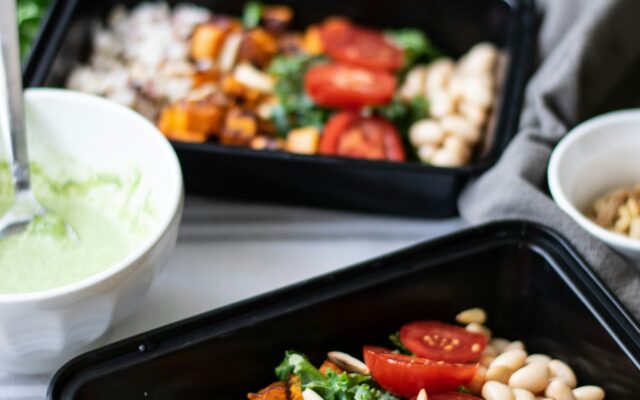
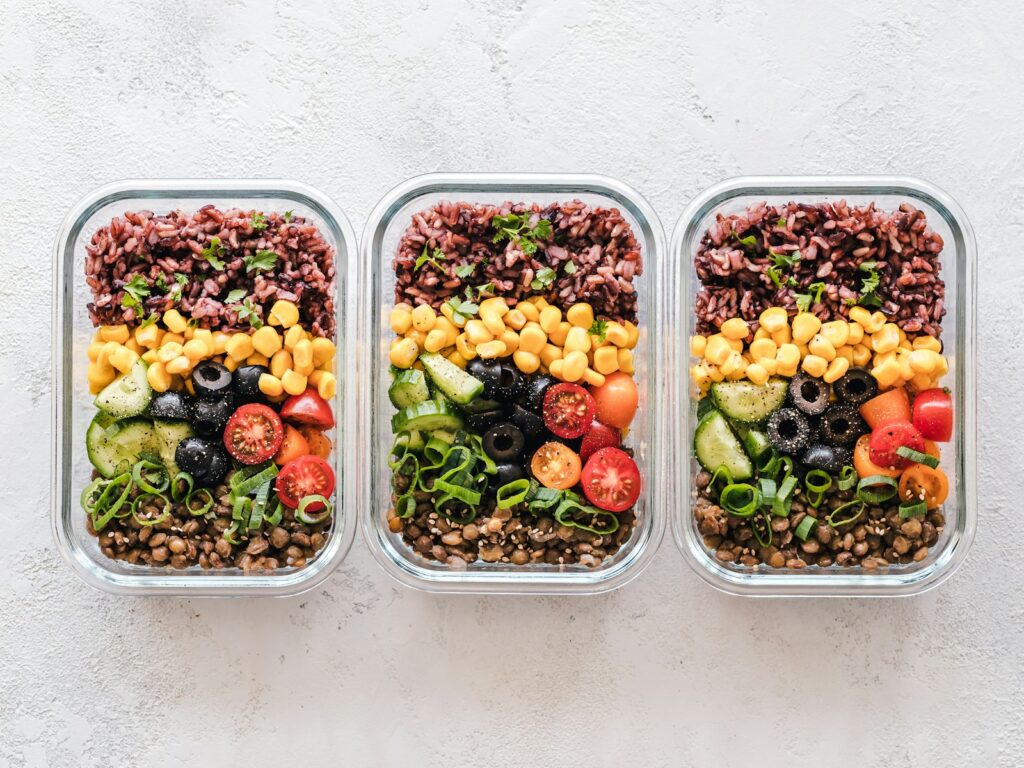
| Lunch | Big vegetable and grain bowl with chickpeas |
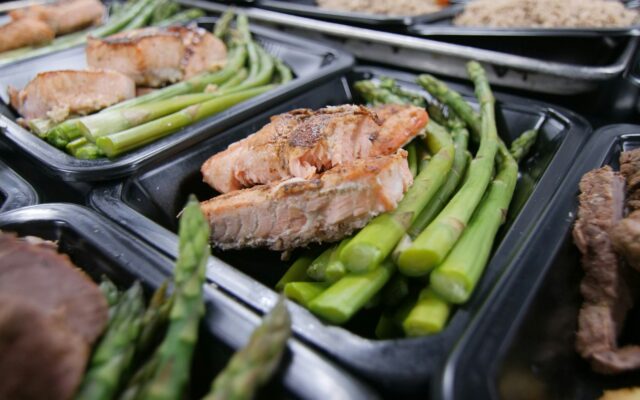
| Dinner | Stir-fried vegetables and tofu, occasional grilled fish |
| Snack | Fruit, hummus with vegetables |
Who Should Try This vs. Full Vegan
You want most of the health benefits of eating more plants without committing to a strict, absolute rule against all animal products.
Your reasons go beyond health to animal welfare or environmental concerns, where the absolute rule matters more than dietary flexibility.
FAQ
Is plant-based the same as vegan?
No. Plant-based describes an eating pattern centered on plants, but occasional meat or dairy is often still allowed. Vegan is a strict, absolute rule against all animal products.
Can I lose weight on a plant-based diet?
Yes, research consistently shows plant-forward eating patterns support weight management, largely due to higher fiber content and lower calorie density of whole plant foods.
Do I need to worry about nutrient gaps on plant-based eating?
Less than on strict vegan, since occasional animal products can fill gaps like B12 and complete protein, but it’s still worth paying attention to those nutrients if your intake skews heavily plant-only.