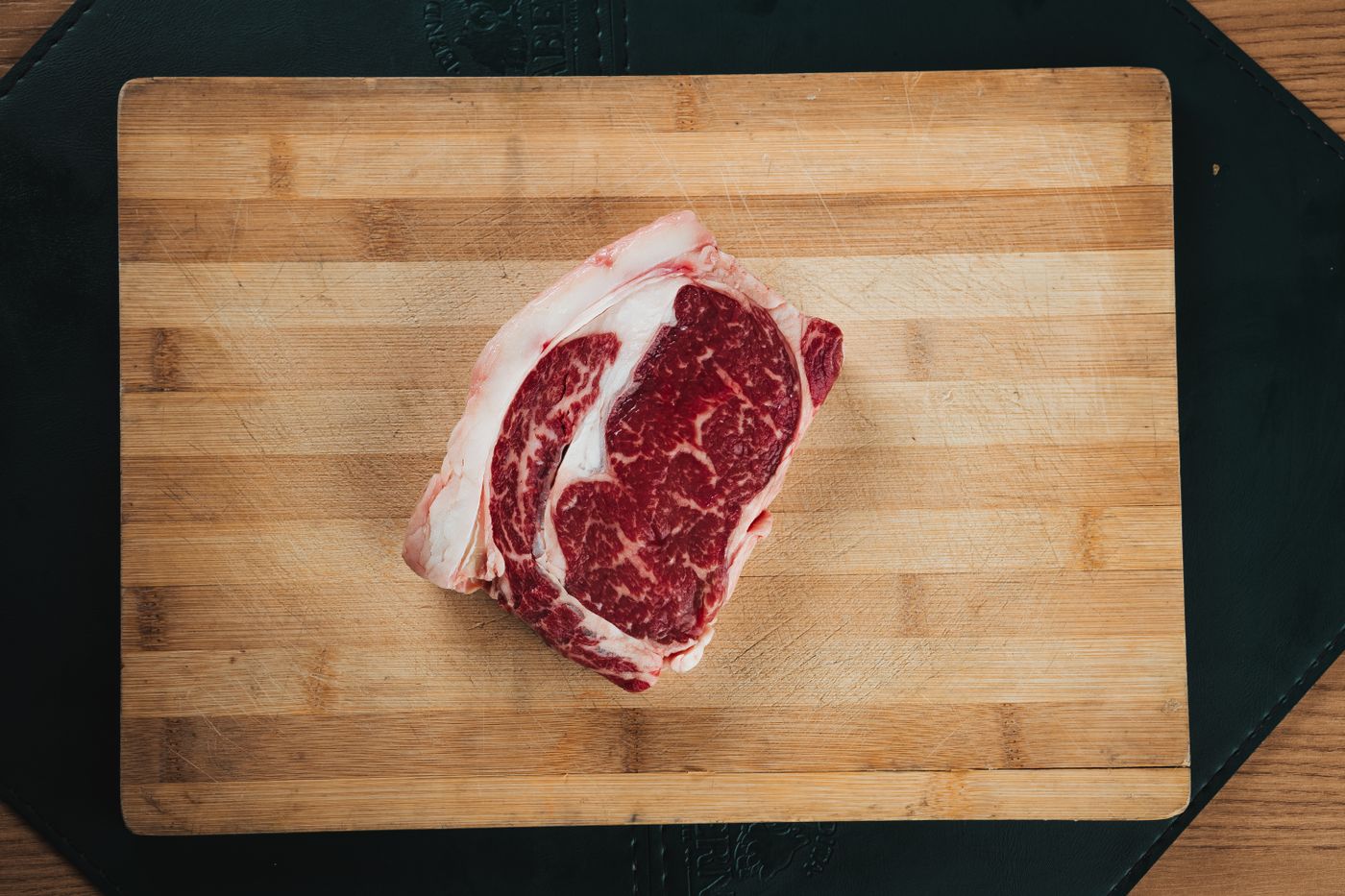
The carnivore diet cuts eating down to animal foods only — meat, fish, eggs, and often dairy — and removes everything else. It’s one of the most polarizing diets online: a devoted community swears by it, while dietitians point to a near-total absence of controlled research. Both things are true at once, and this guide tries to hold both without picking a side for you.
Getting orientedWhat “carnivore” actually means
There’s no single medical protocol — “carnivore” covers a spread of versions, from fairly livable to extremely strict. Most people start closer to the simple end and tighten up only if they’re using it as a short diagnostic elimination trial.
Standard carnivore
- Beef, pork, poultry, fish, eggs
- Butter, tallow, lard
- Often includes cheese, cream
- Salt to taste
“Ketovore”
- Meat-centered, not meat-only
- Coffee, spices allowed
- Small amounts of low-carb vegetables
- Occasional berries or avocado
Zero-carb carnivore
- Meat, fish, eggs, animal fat only
- No dairy, no seasoning with sugar
- No coffee, no sweeteners
- Used short-term to isolate triggers
The “Lion Diet”
- Ruminant meat only (beef, lamb)
- Salt and water
- Nothing else — an aggressive elimination protocol
- Not a default starting point

The mechanismWhy it does anything at all
Carnivore isn’t effective because meat has some unique metabolic property — its effects are better explained by a few overlapping, well-understood mechanisms stacking on top of each other:
Ketosis and appetite suppression
Near-zero carbs lower insulin and deplete glycogen, which is why the first week’s weight loss is mostly water. Ketones also appear to blunt hunger hormones, which is the more durable effect.
Protein-driven satiety
Protein is the most filling macronutrient. A diet built around meat and eggs tends to reduce grazing and cravings without anyone consciously “restricting.”
Removing ultra-processed food
Sugar, refined flour, chips, and sweetened drinks disappear by default. Some of what gets credited to “meat” is really credit for what’s no longer being eaten.
Elimination of common triggers
Carnivore simultaneously removes gluten, lactose (if dairy-free), FODMAPs, and food additives. If any one of those was the real problem, symptoms can improve — without proving every plant was at fault.
In the kitchenWhat people actually eat
It really is this simple: hungry? Eat meat. Bored? Eat meat. There’s no macro tracking, no recipe book to memorize — just a short list of real food, eaten until you’re full.
Fresh red meat
Ribeye, chuck, brisket, ground beef

Fish & seafood
Salmon, sardines, shrimp — iodine, omega-3
Eggs
Cheap, complete, versatile

Animal fat
Butter, tallow, bacon fat, lard

Fresh sourcing
A butcher beats a freezer aisle

Cut variety
Thighs, ribs, chops — rotate to avoid boredom
Beginner mistake #1Eating only lean meat. Chicken breast and 96/4 ground beef alone will leave you hungry and tired fast. Fattier cuts (80/20 ground beef, ribeye, chuck, pork belly) are what actually make this diet sustainable.
First 30 daysHow to actually start
There are two reasonable approaches — gradual, or all at once. Gradual is usually easier if you’re coming from a high-carb baseline; going straight in avoids a lingering transition but front-loads the rough days.
Days 1–7 — Stabilize
Build every meal around 6–12oz of meat or fish, eggs as desired, and enough fat to feel satisfied. Salt to taste. Don’t force fasting and don’t intentionally undereat — this week is about learning your appetite, not testing willpower.
Days 8–14 — Simplify
Track hunger, energy, digestion, and sleep. If something feels off, remove one variable at a time — artificial sweeteners first, then cheese/cream, then processed meats — rather than changing everything at once.
Days 15–30 — Evaluate
Track weight, waist measurement, digestion, mood, training performance, and any medication needs. At day 30, decide honestly: clearly helping, doing nothing, creating new problems, or too restrictive to sustain.
Week 5+ — Reintroduce, if testing for triggers
If the goal was identifying a food sensitivity (not just eating this way long-term), add one food back at a time — eggs, then fermented dairy, then low-FODMAP vegetables — waiting several days between each to see what, if anything, causes symptoms to return.
On the plateSimple meals people actually build

| Meal | Simple version | Upgraded version |
|---|---|---|
| Breakfast | 3 eggs + leftover ground beef | Steak and eggs, cooked in butter |
| Lunch | Burger patties, no bun | Chicken thighs (skin on) + bone broth |
| Dinner | Chuck roast, slow-cooked | Ribeye + salmon rotation, twice weekly |
| Snack | Hard-boiled eggs | Sardines or unsweetened jerky |
Budgeting itShopping without overspending
Steak-only carnivore gets expensive fast. Most sustainable versions lean on cheaper cuts most of the week and treat steak as the exception, not the baseline.
Everyday staples
- 80/20 ground beef
- Chicken thighs
- Eggs (by the flat)
- Chuck roast, pork shoulder
Weekly rotation
- Canned sardines or salmon
- Bacon
- Pork belly
- Whatever’s on sale
Occasional / treat
- Ribeye, NY strip
- Fresh salmon fillet
- Lamb chops
- Shrimp
What the evidence actually showsReported benefits, graded honestly
Nearly everything written about carnivore’s benefits comes from surveys, case reports, and self-selected online communities — not controlled trials. That doesn’t make it worthless, but it changes how much weight it should carry. Here’s roughly how strong the evidence is behind the most common claims:
The largest research review of carnivore to date found only nine eligible human studies — mostly surveys and small case reports, no randomized trials. It found real signals worth taking seriously (weight loss, satiety) alongside recurring concerns (LDL cholesterol, nutrient gaps, zero fiber) — and stopped short of recommending long-term adherence.
Getting this part rightSupplements: what’s justified vs. what’s just internet advice
Carnivore communities tend to split into “meat has everything, take nothing” and “take a full stack of everything.” Neither extreme fits everyone. This is the one section on this page where getting it wrong can matter more than the diet itself.
| Supplement | Why it comes up | Notes |
|---|---|---|
| Sodium | Low-carb eating increases sodium loss — the direct cause of “keto flu” | Salt to taste; broth helps. Use caution with high blood pressure or heart failure. |
| Potassium | Modeled carnivore plans often run low | Do not self-dose high-potassium supplements or “Lite Salt.” Dangerous with kidney disease, ACE inhibitors, ARBs, or certain diuretics. Get potassium from food first; ask a clinician before supplementing. |
| Magnesium | Helps with cramps, sleep, constipation | Glycinate is gentler than citrate/oxide. Typical range 100–300mg elemental/day. |
| Iodine | Low if no seafood, dairy, or iodized salt | Pink/Himalayan salt is not a reliable iodine source — use iodized salt or eat seafood. |
| Vitamin D | Not reliably supplied by the diet alone | 1,000–2,000 IU/day is a common maintenance range; testing beats guessing. |
| Omega-3 (EPA/DHA) | Balances the omega-6 in most meat | Two fatty-fish meals a week can substitute for a fish oil capsule. |
| Vitamin C | Strict versions supply very little | The “meat contains enough” claim is unproven — a low-dose supplement is a reasonable hedge, especially without organ meats. |
| Liver (optional) | Dense in B12, copper, vitamin A, folate — but not required | Totally optional. Most people never eat it and do fine on muscle meat and eggs. If you want to, 1–3oz once weekly is plenty. |
Take this one seriouslyPotassium is the supplement most likely to cause real harm. High doses can trigger dangerous heart-rhythm problems, particularly if you have any kidney impairment or take blood-pressure medication. Get it from food. Talk to a clinician before taking a supplement form.
When things go sidewaysTroubleshooting
Diarrhea
Usually too much rendered fat too fast. Fix: eat fat attached to meat instead of pouring it on, shrink portions, back off magnesium and cream for a few days.
Constipation
Common with near-zero fiber. Fix: more water, less cheese, movement, and magnesium if appropriate — fiber is a valid answer if it doesn’t resolve.
Headache / fatigue (week 1)
Usually sodium and fluid loss. Fix: salt food, drink water, add broth — most cases clear within a week.
Heart palpitations
Not something to “push through.” Fix: stop and seek medical care — especially alongside chest pain, fainting, or shortness of breath.
Worth trackingCholesterol, kidneys, and lab monitoring
This is the diet’s most consistent open question. Most people see triglycerides fall and HDL rise on carnivore — genuinely good signs — while LDL and total cholesterol often rise substantially at the same time. An improved triglyceride-to-HDL ratio does not cancel out a large LDL or ApoB increase.
Before starting
Fasting lipid panel + ApoB, fasting glucose/HbA1c, kidney function (creatinine/eGFR), uric acid, blood pressure, weight.
Recheck at 8–12 weeks
Same panel again. A large LDL/ApoB jump is worth a real conversation with a clinician, not a reason to stop checking.
Kidney stones & gout
High animal protein can raise uric acid and stone risk in susceptible people. Stay hydrated; don’t ignore a personal or family history of either.
Know before you startWho should be cautious or avoid it
- Pregnant or breastfeeding people
- Anyone on insulin, sulfonylureas, or SGLT2 inhibitors — carbohydrate changes can require medication adjustment, and SGLT2 inhibitors specifically carry a ketoacidosis risk on very-low-carb diets
- Chronic kidney disease, recurrent kidney stones, or gout
- Known cardiovascular disease or familial hypercholesterolemia
- A history of disordered eating
Frequently asked questions
Is carnivore the same as keto?
No. Keto allows low-carb vegetables, nuts, and some fruit as long as carbs stay low. Carnivore removes plant foods entirely, making it stricter.
Do I need to eat organ meat?
No. This trips people up more than it should — organ meat is optional, not a requirement. Muscle meat, fish, and eggs are the actual foundation of the diet. If you enjoy liver, a small weekly serving is a nice bonus, not a checkbox.
How much salt should I actually use?
Enough to taste good and to keep headaches/fatigue away — there’s no single correct number, and blanket “5 grams for everyone” advice ignores blood pressure, medications, and kidney function.
Is carnivore safe long-term?
Genuinely unknown. No long-term controlled studies exist. Periodic bloodwork and a real conversation with a clinician are the responsible way to run this as anything more than a short trial.