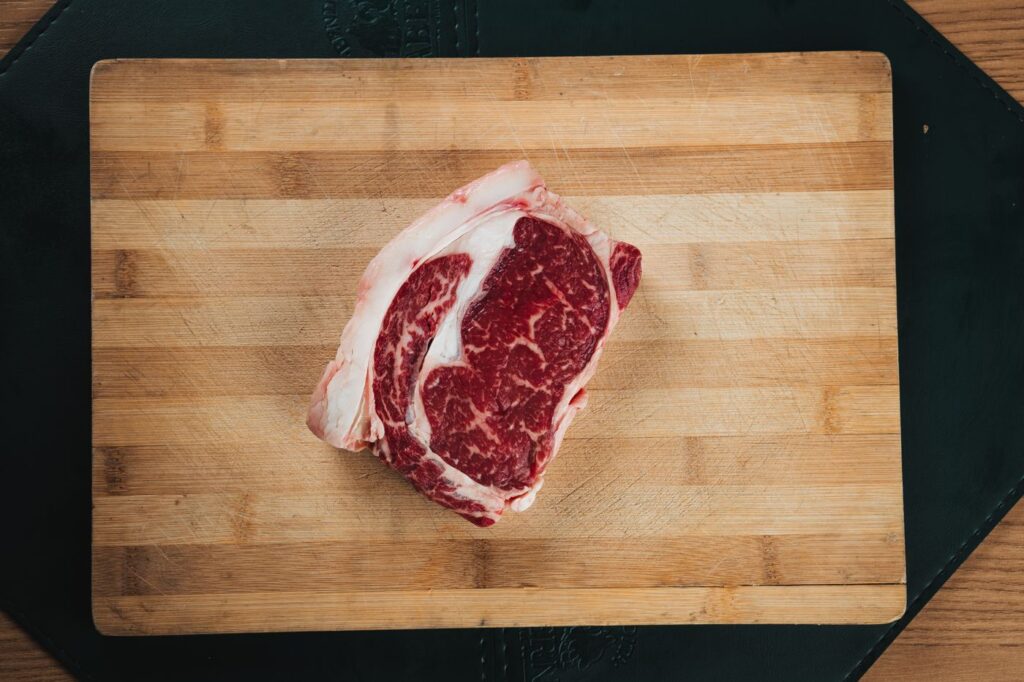
Keto and carnivore both get pitched as the fast track to losing weight, and both come from the same low-carb family — which is exactly why people conflate them. They are not the same diet, they do not carry the same evidence, and they do not fail in the same ways. This guide puts them side by side using the same criteria we used for our individual Keto Diet and Carnivore Diet guides.
Keto vs. Carnivore: Side-by-Side
| Factor | Keto | Carnivore |
|---|---|---|
| Carbs allowed | ~20–50g/day | Effectively 0g/day |
| Fat / protein split | ~70–75% fat, 20% protein | 60–80% fat, 20–40% protein |
| Vegetables | Non-starchy veg allowed | None |
| Fruit | Small amounts of berries | None |
| Dairy | Full-fat cheese, butter, cream | Optional, often limited |
| Calorie counting | Not required | Not required |
| Adaptation period | 1–2 weeks | 1–2 weeks, often milder if coming from keto |
| Human studies (largest 2026 review) | Hundreds, including RCTs | 9 studies found |
| Randomized controlled trials | Multiple, including multi-year | 0 |
| Biggest open risk | Long-term adherence, LDL in some responders | LDL/ApoB, vitamin C, calcium, magnesium, fiber gaps |
Quick Facts
Keto
Carnivore
BellyBlock Score
Why no Carnivore scoreWe have not given Carnivore a BellyBlock Score, and that is on purpose — not an oversight. A numeric score implies a level of research certainty that does not exist yet: the largest 2026 review of carnivore-diet research found just nine human studies and zero randomized controlled trials. We would rather say that plainly than invent a number that looks more precise than the evidence actually is.
What a Day of Eating Looks Like
| Meal | Keto | Carnivore |
|---|---|---|
| Breakfast | Eggs, avocado, spinach cooked in butter | Eggs and bacon |
| Lunch | Grilled chicken over greens with olive oil dressing | Ground beef patties, salt |
| Dinner | Salmon, roasted broccoli, butter | Ribeye steak, bone marrow |
| Snack | Macadamia nuts, cheese | Beef jerky, hard cheese |
What They Actually Have in Common
Both diets work through the same basic lever: cutting carbohydrates hard enough to drop insulin and push the body toward burning fat for fuel. Both typically produce fast early water-weight loss, both can trigger “keto flu” symptoms (fatigue, headaches, brain fog) in the first one to two weeks, and both live or die on electrolyte management — sodium, potassium, and magnesium losses are the single biggest reason people quit either diet in week one. If you are starting either, read our keto side effects and troubleshooting guide first; almost everything in it applies to carnivore too.
Where They Actually Diverge
Food variety. Keto still allows non-starchy vegetables, nuts, seeds, and low-carb fruit alongside meat and fat. Carnivore removes plants entirely. That single difference explains most of the practical gap between them — keto has a learning curve around counting carbs; carnivore has a learning curve around eating the same foods repeatedly.
Fiber and micronutrients. Keto’s allowed vegetables supply fiber, vitamin C, and potassium that carnivore has to get from organ meats and supplementation instead, if at all. This is the main long-term risk flag on carnivore: nutrient gaps in vitamin C, calcium, magnesium, and fiber show up in the research more often than on keto.
Simplicity vs. flexibility. Carnivore has almost no decisions to make once groceries are bought: meat, fish, eggs, maybe dairy. Keto has more room to eat out, travel, and vary meals, but that flexibility means more label-reading and carb-counting.
Which One Loses Weight Faster?
Early on, carnivore often looks faster — cutting food choices down to a handful of items tends to cut total calorie intake automatically, even without anyone deliberately restricting calories. But “faster in week one” is not the same as “better long-term,” and this is exactly where the evidence gap matters. Keto has been studied for weight loss over months and years, including in people with type 2 diabetes; carnivore’s weight-loss claims currently rest almost entirely on self-reported experience rather than controlled trials. If you want a diet with a longer track record behind the number on the scale, that favors keto. If you want the diet most people find easiest to stick to for the first 30 days because there is nothing to decide, that often favors carnivore — short term.
Who Should Try Which
You want more food variety and easier social eating, more long-term research behind the approach, and you are comfortable tracking carbs at first.
You do better with fewer food decisions, you have tried keto and plateaued and want to test a stricter elimination approach short-term, and you are prepared to monitor bloodwork (particularly LDL/ApoB) if you stay on it long-term.
Can You Combine Them? (“Keto Carnivore”)
Yes — this is a common hybrid where people eat mostly animal foods but allow a small amount of low-carb, non-starchy vegetables (avocado, leafy greens) that keto permits but strict carnivore does not. It is not an official diet with its own research base; think of it as carnivore with a slightly wider food list, aimed at people who want carnivore’s simplicity without cutting out every last plant.
FAQ
Is carnivore just a stricter version of keto?
In practice, yes — carnivore is what you get if you take keto’s low-carb logic and remove plant foods entirely. But it is not officially “keto taken further”; it has its own separate rationale (elimination-diet, simplicity) and its own separate risk profile (nutrient gaps) rather than being a stricter tier of the same plan.
Which is safer long-term?
Keto has more long-term research to point to, including studies longer than a year. Carnivore’s long-term safety is genuinely unknown — not proven unsafe, just unstudied at that length, which is a different thing worth being honest about.
Does carnivore cause constipation like keto does?
Both can, for opposite-sounding reasons: keto because dietary fiber intake often drops even with vegetables allowed, carnivore because fiber intake drops to close to zero. Adding electrolytes usually helps more than people expect — see our best electrolytes guide.
Can I switch straight from keto to carnivore?
Yes, and most people find the adaptation period shorter the second time since they are already fat-adapted. Expect a few days of the same electrolyte-related symptoms as your first week of keto, just milder.